For many women in rural Kenya, childbirth should be a moment of joy. However, the journey to a safe delivery is often filled with fear and uncertainty. Some expectant mothers travel long distances to reach health facilities, while others struggle to afford transport or discover that their nearest health centres lack the medical staff and equipment required to provide adequate care.
No woman should have to worry about whether she will receive medical attention when bringing a child into the world. Although Kenya has made progress in expanding access to maternity services, women in rural areas continue to face serious challenges, including long distances to health facilities, poverty and shortages of healthcare workers. These barriers can delay treatment, particularly when complications arise during pregnancy or childbirth, putting both mothers and their babies at risk.
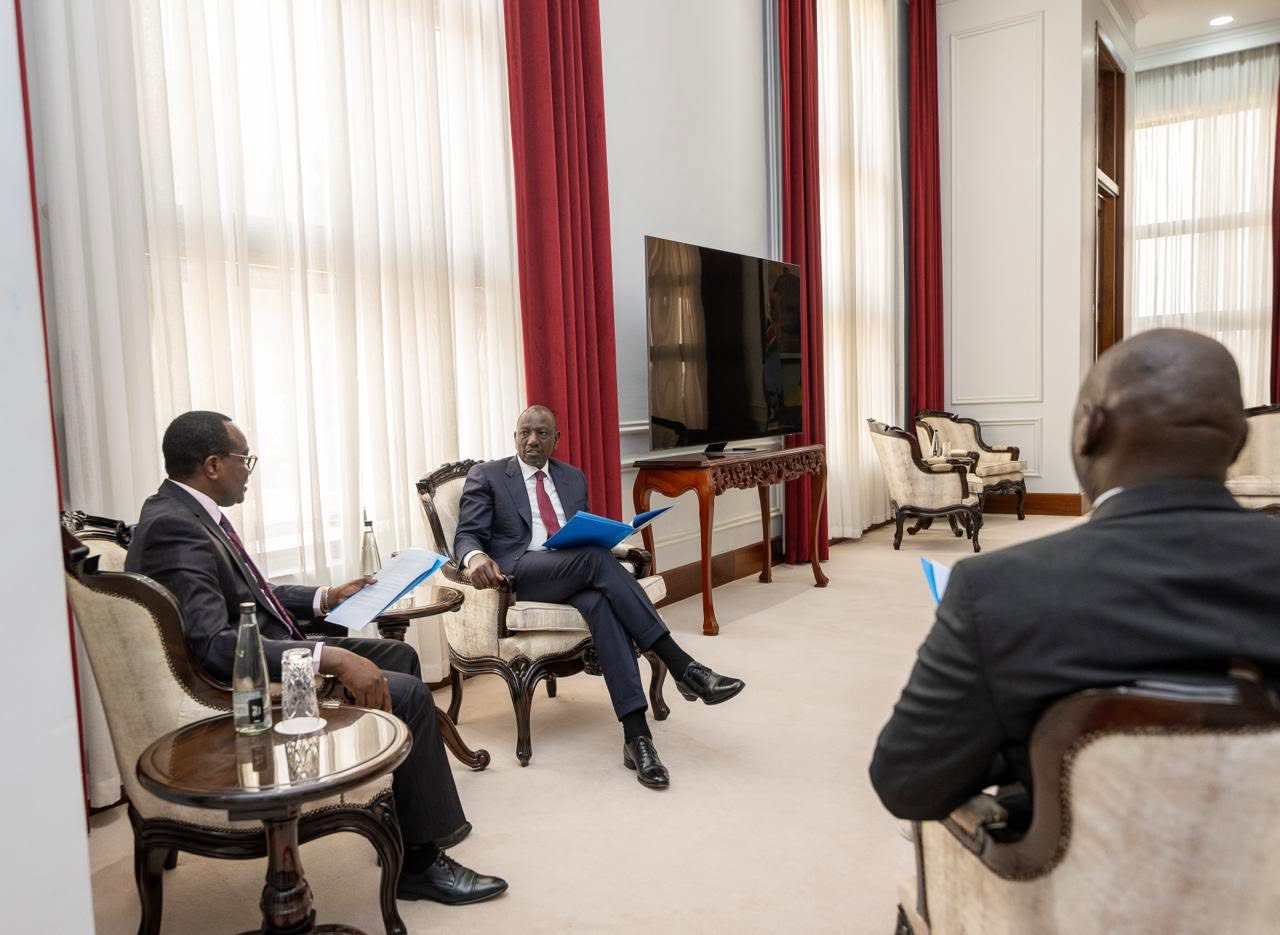
Speaking at the National Maternal Health Advocacy Forum in Nairobi, Dr James Nyikal, Chairperson of the Parliamentary Health Committee, emphasised that Kenya's maternal healthcare challenge is not simply about having policies in place but ensuring that they are effectively implemented. He said, "Policy gaps are not the issue but rather a weak system. We do not lack policies. The real question is, why are our outcomes still lagging?" His remarks highlighted the need for better-equipped health facilities, adequate numbers of skilled healthcare workers, functional referral systems and stronger accountability within the healthcare sector.
The challenge does not end when an expectant mother reaches a hospital. Some health facilities lack sufficient trained midwives, essential medicines and medical equipment. Others struggle to refer patients to hospitals capable of handling emergencies. This means that having a healthcare facility nearby does not necessarily guarantee safe and quality maternal care.
County governments must take these challenges seriously by equipping rural health facilities, employing enough qualified healthcare workers and ensuring that ambulances are readily available during emergencies. Community health workers also have an important role to play in educating expectant mothers about antenatal clinic visits, proper birth preparedness and the importance of seeking medical attention early.
Families and communities also have a responsibility to support pregnant women throughout pregnancy and childbirth. Expectant mothers need encouragement, care and support rather than neglect or harmful beliefs that discourage them from seeking professional medical assistance. Healthcare workers, on their part, must treat every mother with respect, patience and compassion, regardless of her financial circumstances.
Most importantly, access to maternal healthcare should not depend on where a woman lives or how much money she earns. Every mother deserves quality medical attention, and every baby deserves a safe start in life.
The government must move beyond promises and ensure that safe maternal healthcare services reach every village. No mother should lose her life simply because the medical assistance she needed was unavailable or arrived too late.