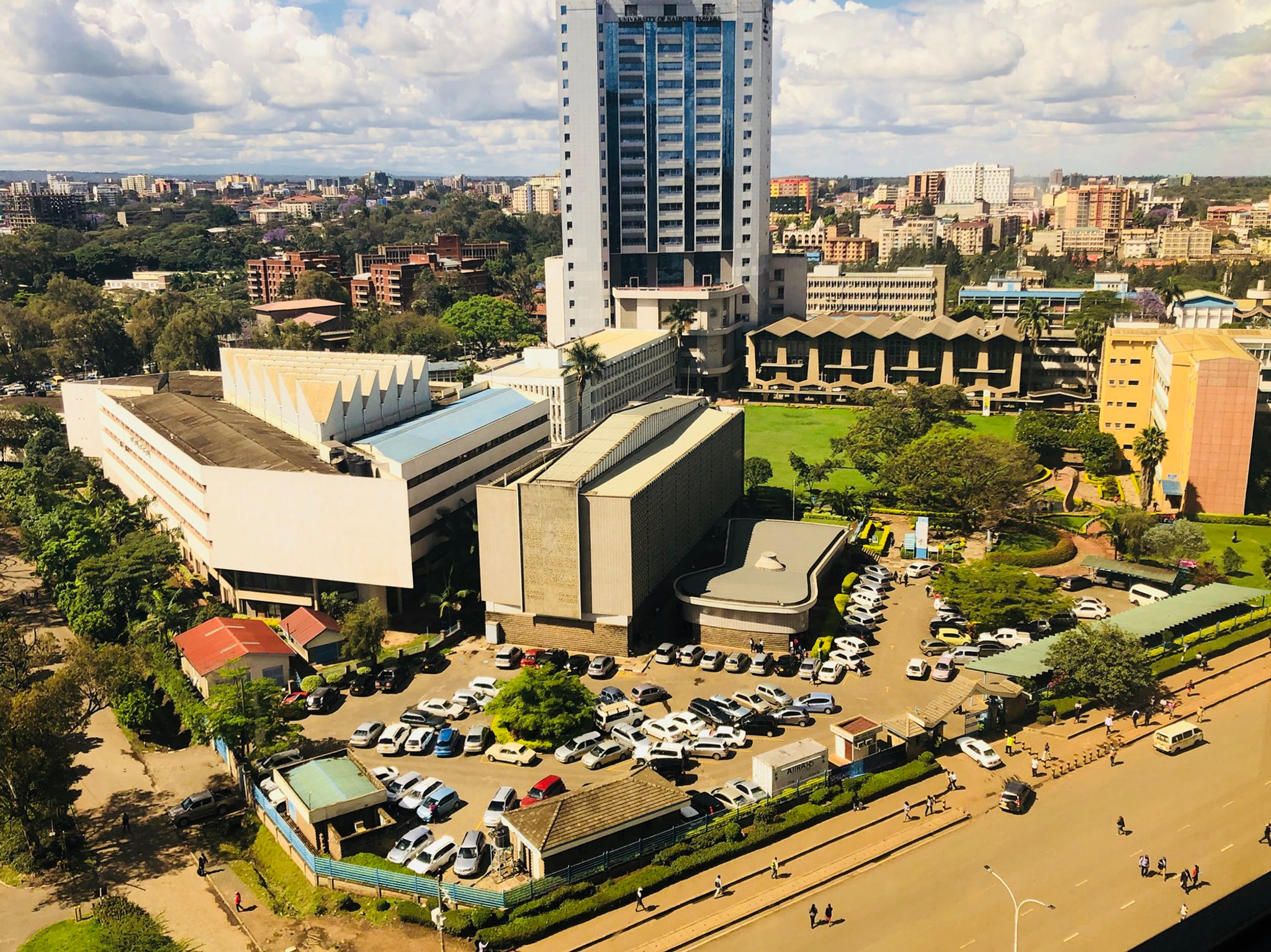
When the first public university in a country is declared technically insolvent, the problem has stopped being an accounting issue. It has become a national failure.
The University of Nairobi's vice-chancellor has told MPs the institution carries about Sh20 billion in debt, including Sh17.2 billion in current liabilities. The Auditor-General found UoN technically insolvent, with an accumulated deficit of Sh8.8 billion. Parliament's Public Investments Committee has given management until December 1 to submit a detailed recovery plan.
UoN is not alone. Public universities' combined pending bills reached Sh100.3 billion by January, up from Sh85 billion just eight months earlier.
Management has made its case. Prof Ayub Gitau told MPs that shrinking admissions to parallel degree programmes cut that income from Sh6.2 billion to Sh4.4 billion a year. Management also blames pay rises under successive collective bargaining agreements, and says Sh12.5 billion of the current liabilities is owed to KRA and the pension scheme.
Deputy Vice-Chancellor Josiah Aduda said UoN has filed a remedial payment plan with the Retirement Benefits Authority and is talking to KRA. Management also points to austerity measures and an asset base above Sh220 billion.
The Education Ministry points elsewhere. Cabinet Secretary Julius Ogamba has blamed late Treasury releases, not ministry inefficiency, for delays in capitation and scholarship payments.
The numbers support part of that argument: universities needed Sh29.55 billion to fund students under the current model last year but were allocated Sh16.92 billion, and UoN says it is owed about Sh3 billion by the Universities Fund and HELB.
Students are paying for all of it. A lecturers' strike over the 2025–2029 pay agreement began on October 2. UoN students have since blocked Waiyaki Way twice in a week, and police have used tear gas. One student association official warned that idle students are sinking into depression and drug use. Some protesters called for Ogamba to resign.
The strike and the debt are two sides of the same unfunded promise, because management itself says pay deals have driven up its costs.
Throwing money at the problem is not enough. MPs are right to press for answers on Sh10.6 billion in unremitted tax and pension liabilities, and to be unconvinced by plans that lean on austerity and property. Universities should publish their accounts, cut waste, and put teaching ahead of vanity projects.
But government must keep its side of the bargain: disburse what it budgets, on time, and say honestly what it cannot afford.
Universities train the doctors, engineers and teachers the country needs. Letting them decay is the most expensive choice we could make.